

Every year, technology asks us to look ahead. It rarely changes life in the way keynotes promise. But, lived experiences tell a different story. Technology that reshapes life seldom announces itself. It becomes a habit, then turns into dependency. As 2026 approaches, the most meaningful shifts are already underway. This year, technological advances will not look like breakthroughs. They will appear to be rather normal.
Following thus are five tech trends that will shape the year ahead:
McDonald’s has begun deploying artificial intelligence systems across hundreds of its Indian outlets to verify orders before they reach customers
| Photo Credit:
Special arrangement
Artificial intelligence
Artificial intelligence (AI) is set to remain widespread in 2026, but it will blend into the background rather than grab headlines. AI is turning from a feature to an infrastructure. Instead of being a flashy feature, AI will work behind the scenes power everything, from logistics and credit checks to customer support and fraud detection, often without users even realising it.
In India, this shift is most visible in large service businesses, where efficiency matters more than storytelling. McDonald’s has deployed AI across hundreds of its Indian outlets to verify orders before they reach customers. McDonald’s has also expanded its global AI development presence in Hyderabad, positioning India as a back-end hub for operational intelligence rather than a test market for flashy features.
Other large food chains in India operate with a similar, quiet dependence on a particular software. At Domino’s Pizza India, operated by Jubilant FoodWorks, operates a centrally managed, vertically integrated supply chains in which inventory levels across outlets are monitored through point-of-sale systems and regional commissaries. The planning is software-driven, built to reduce disruption and keep consistency at scale.
The same pattern appears across Indian enterprise software. Companies route customer support requests automatically, prioritise them based on urgency, and present them to human agents already sorted. Users get faster fixes. The intelligence stays out of sight.

By 2026, phones will increasingly serve as gateways to larger digital environments rather than standalone devices.
| Photo Credit:
Special arrangement
Reconnecting with smartphone
For over ten years, smartphones have been at the heart of consumer tech, with annual advances in processors, cameras, and designs. By 2026, upgrades will feel incremental.
What matters is continuity across ecosystems. Phones will increasingly serve as gateways to larger digital environments rather than stand-alone devices. Some integrations count more than raw specifications. Meanwhile, software continuity and ongoing support will quietly replace novelty as indicators of quality.
Camera manufacturers signal this shift clearly. Sony’s Alpha cameras, including models sold in India, are built around workflows that assume the presence of a smartphone. Images are transferred wirelessly to mobile apps, synced to cloud services, and edited or shared on phones before reaching larger screens. In hospitality, a similar consolidation is visible. Taj Hotels offers a mobile application that brings together bookings, loyalty benefits, payments, and service requests within a single interface. The device matters less than the continuity it enables.
By 2026, the smartphone will still be indispensable. It will just not surprise anyone. Its value will lie in how quietly it holds everything else together.

In 2026 privacy will shift from being a company’s claim to a feature that products are designed to support
| Photo Credit:
Special arrangement
The privacy promise
For years, privacy existed mainly in policy documents and disclaimers that few users read. By 2026, this gap will close. Privacy will shift from being a company’s claim to a feature that products are designed to support.
In India, this change is driven more by infrastructure than by rhetoric. Digital payments platforms exemplify this: PhonePe and Google Pay function within a regulatory framework that mandates explicit, purpose-specific consent for transactions. Permissions are action-specific, limiting unnecessary data collection and compliance risk. This approach reflects the intent of the Digital Personal Data Protection Act, even as its implementation remains contested. The now-revoked mandatory Sanchar Saathi app, along with broader debates about surveillance, has kept location data and app permissions in view.
Travel platforms have adapted similarly. Companies like MakeMyTrip publicly specify data retention and usage policies that limit how long personal and location information is stored once a trip concludes. Data is collected to complete a booking, then dismissed.
Indian software firms take a more precise and more deliberate stance. Zoho, an enterprise software company, has repeatedly emphasised avoiding advertising-centric models and limiting data collection by design.
Restaurants send a quieter signal. QR menus remember for the visit, then forget.
These examples lead to one conclusion: In India, privacy survives when it is engineered into systems rather than promised in statements.
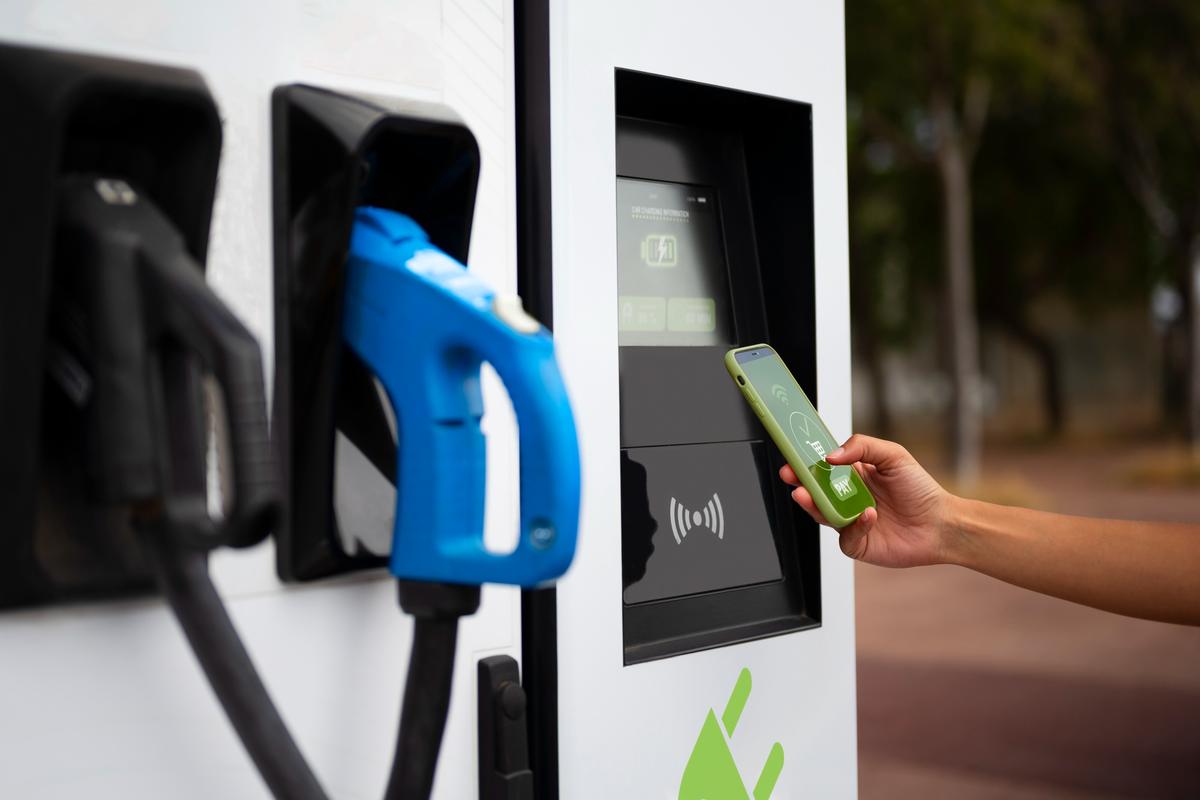
Hospitality operators also prioritise practicality, with hotel chains like ITC Hotels providing electric vehicle charging as a convenience rather than a feature, emphasising reliability over scale
| Photo Credit:
Special arrangement
Pragmatic transition
For years, electric mobility in India was seen as aspirational, symbolising cleaner cities, futuristic vehicles, and progress. The fleet, delivery route, and bus depot all play a key role in building a strong persuasive case.
Delivery services like Zomato and Swiggy have discussed deploying electric two-wheelers, with vehicle choices driven by uptime, maintenance, and charging reliability, rather than environmental impact. Public transport reflects this trend, with agencies like BEST highlighting the importance of depot charging and battery performance over range claims. Hospitality chains, like ITC Hotels provide electric vehicle charging as a convenience rather than a feature.
Employee code
Workplace technology used to promise efficiency, but it often meant longer days and busier schedules. By 2026, this tension becomes too significant to ignore. The next turn is quieter: tools that reduce interruption, protect focus, and keep decisions legible. In India’s services sector, large employers such as Infosys and Tata Consultancy Services have acknowledged churn, changing expectations, and have expanded hybrid work with asynchronous collaboration.
Meetings are still happening, but more work now moves through written context, with decisions recorded once instead of repeated endlessly. Globally, GitLab treats documentation as the default, with meetings optional rather than inevitable.
What links these transformations is not speed but stability, as technology transitions from just a spectacle to a fundamental part of everyday infrastructure. By 2026, the importance of progress will shift from its appearance to its reliability.

